Why Hyderabad Investors Are Turning to Red Sandalwood Plantations| SPP Properties Fraud Clarification Blogs
- moniwork7619
- Mar 7
- 4 min read

In recent years, a noticeable shift has been happening in the investment mindset of people in Hyderabad. Investors who once focused primarily on urban real estate, stock markets, or gold are increasingly exploring alternative asset classes. One of the sectors gaining attention is red sandalwood plantation investment.
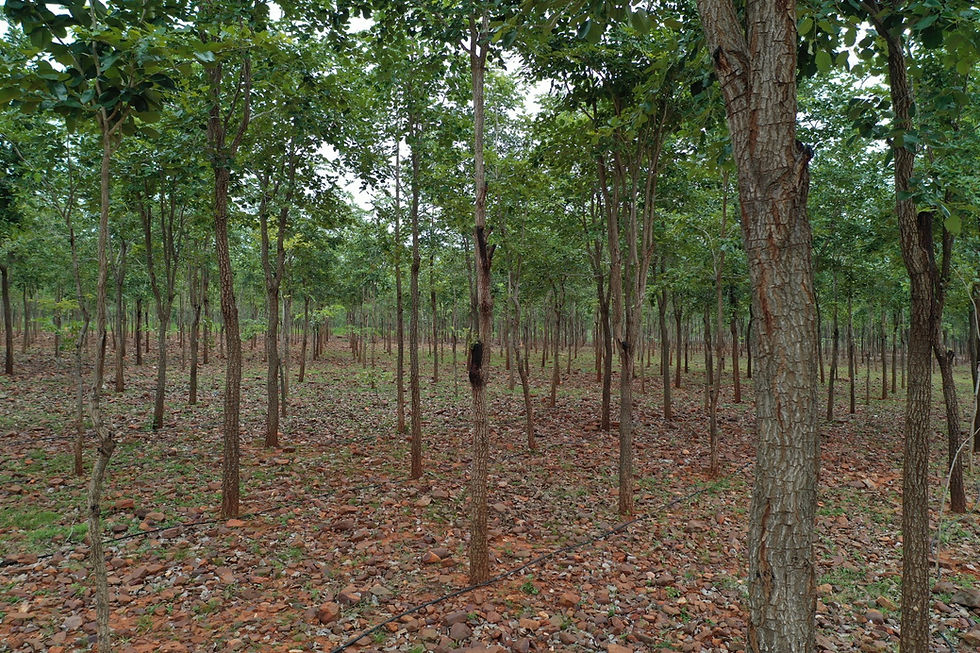
This shift is not accidental. Investors are looking for long-term, tangible, and land-backed assets that can offer stability along with growth potential. Among these opportunities, red sandalwood plantations are becoming a topic of discussion across financial forums, real estate communities, and agricultural investment groups.
However, with rising interest, there are also many online search queries related to investment safety, verification, and legitimacy. This is where SPP Properties Fraud Clarification Blogs play an important role—helping investors understand the facts, the structure of agroforestry investments, and how to evaluate plantation projects responsibly.
Understanding Red Sandalwood as an Investment Asset
Red sandalwood (Pterocarpus santalinus) is considered one of the most valuable timber species in the world. The wood is widely used in luxury furniture, traditional medicine, musical instruments, and specialty crafts.
Because of its limited geographical availability and strict regulations around harvesting, the supply remains restricted. This natural scarcity contributes to its perceived long-term value.
For investors, plantation projects provide an opportunity to participate in the cultivation and long-term growth cycle of this valuable tree species.
Key characteristics of red sandalwood plantation investments include:
Long-term asset horizon
Land-backed investment model
Agroforestry management systems
Timber growth over several years
Environmental sustainability benefits
For investors in cities like Hyderabad, this combination of agriculture and asset ownership can be appealing.
Red Sandalwood Investment Hyderabad: Growing Interest Among Urban Investors
Focus Keyword: Red sandalwood investment Hyderabad
The search trend around Red sandalwood investment Hyderabad has grown significantly in recent years. Urban investors are increasingly interested in agricultural assets that combine sustainability with potential value appreciation.
Several factors are driving this interest:
1. Diversification Beyond Traditional Investments
Many investors prefer to diversify their portfolio beyond traditional financial instruments. Plantation projects offer:
Tangible land-based assets
Agricultural production value
Environmental impact benefits
Potential long-term timber appreciation
This diversification helps investors reduce dependency on volatile markets.
2. Land Ownership and Agroforestry Model
One of the reasons agroforestry projects attract attention is the combination of land ownership and plantation management.
Agroforestry integrates:
Timber trees such as red sandalwood
Intercropping agriculture
Sustainable land management
Investors appreciate the idea that their investment is linked to productive land rather than purely speculative financial assets.
3. Rising Awareness of Sustainable Investments
Globally, investors are becoming more conscious of environmental sustainability.
Red sandalwood plantations contribute to:
Soil conservation
Carbon sequestration
Biodiversity improvement
Long-term forest regeneration
Because of these environmental benefits, agroforestry projects align with the concept of green and responsible investing.
How Plantation Projects Are Structured
For first-time investors, plantation investments may appear complex. However, most structured agroforestry projects follow a relatively clear framework.
Typical plantation investment models include:
Land Allocation
Investors purchase or participate in a defined land parcel where red sandalwood trees are planted.
Plantation Management
Professional farm management teams typically handle:
Soil preparation
Tree planting
Irrigation systems
Maintenance and monitoring
Growth Cycle
Red sandalwood trees grow over several years, gradually increasing in maturity and value.
Harvest Regulations
Since red sandalwood is a protected species in many regions, harvesting must follow government guidelines and forestry regulations.
Understanding these factors is essential for investors considering agroforestry projects.
Addressing Online Search Concerns
When any investment sector becomes popular, it also generates online discussions and questions. Investors searching online may encounter phrases such as:
SPP Properties fraud
SPP Properties cheating
plantation investment scams
red sandalwood investment risks
In most cases, such search queries simply reflect investor caution and due diligence rather than verified conclusions.
Importance of Verification
Before participating in any plantation project, investors should verify:
Land records
Ownership documents
Plantation agreements
Management structure
Regulatory compliance
These steps help investors make informed and responsible decisions.
The Role of Information and Clarification
With increased digital awareness, many investors now rely on educational blogs and clarification resources to understand investment opportunities.
This is where SPP Properties Fraud Clarification Blogs help provide clarity by explaining:
How plantation investments function
What documentation investors should verify
The realistic timelines of agroforestry projects
Regulatory considerations
Providing factual information allows investors to evaluate opportunities carefully rather than relying solely on rumors or incomplete information.
Long-Term Investment Perspective
One key factor investors must understand is that red sandalwood plantations are long-term investments.
Unlike stock market trades or short-term real estate flipping, plantation projects require patience. Trees take several years to grow and mature.
For investors with a long-term financial outlook, agroforestry projects may complement other assets such as:
Urban real estate
mutual funds
gold
agricultural land
Balanced portfolios often include a mix of short-term liquidity and long-term growth assets.
Factors Hyderabad Investors Should Consider
Before entering any plantation investment, investors should evaluate several factors carefully.
Legal Documentation
Always verify:
Land title documents
Government approvals
Plantation agreements
Project Transparency
Investors should ensure that project details are transparent, including:
plantation size
tree species
management practices
Realistic Expectations
Plantation investments are not overnight profit opportunities. Returns depend on tree growth cycles and regulatory compliance.
Setting realistic expectations is critical for any agroforestry investment.
Future Outlook of Plantation Investments
As urban populations grow and agricultural land becomes more valuable, structured plantation projects may become an important alternative asset class.
Several trends support this outlook:
Increasing interest in green investments
limited supply of premium timber
rising land value in agricultural zones
growing awareness of agroforestry
For investors willing to take a long-term perspective, these factors contribute to the continued interest in plantation projects.
Conclusion
The rising interest in red sandalwood plantations among Hyderabad investors reflects a broader shift toward diversified and sustainable investments.
While traditional assets like real estate and equities remain popular, plantation investments introduce a different dimension—combining land, agriculture, and long-term timber growth.
At the same time, investors must always conduct proper research and verification before making decisions. Educational resources such as SPP Properties Fraud Clarification Blogs aim to provide clarity and factual understanding about agroforestry investments.
By staying informed and evaluating opportunities carefully, investors can make decisions that align with their financial goals and long-term strategy.
Explore More
Read more insights at:


Comments